
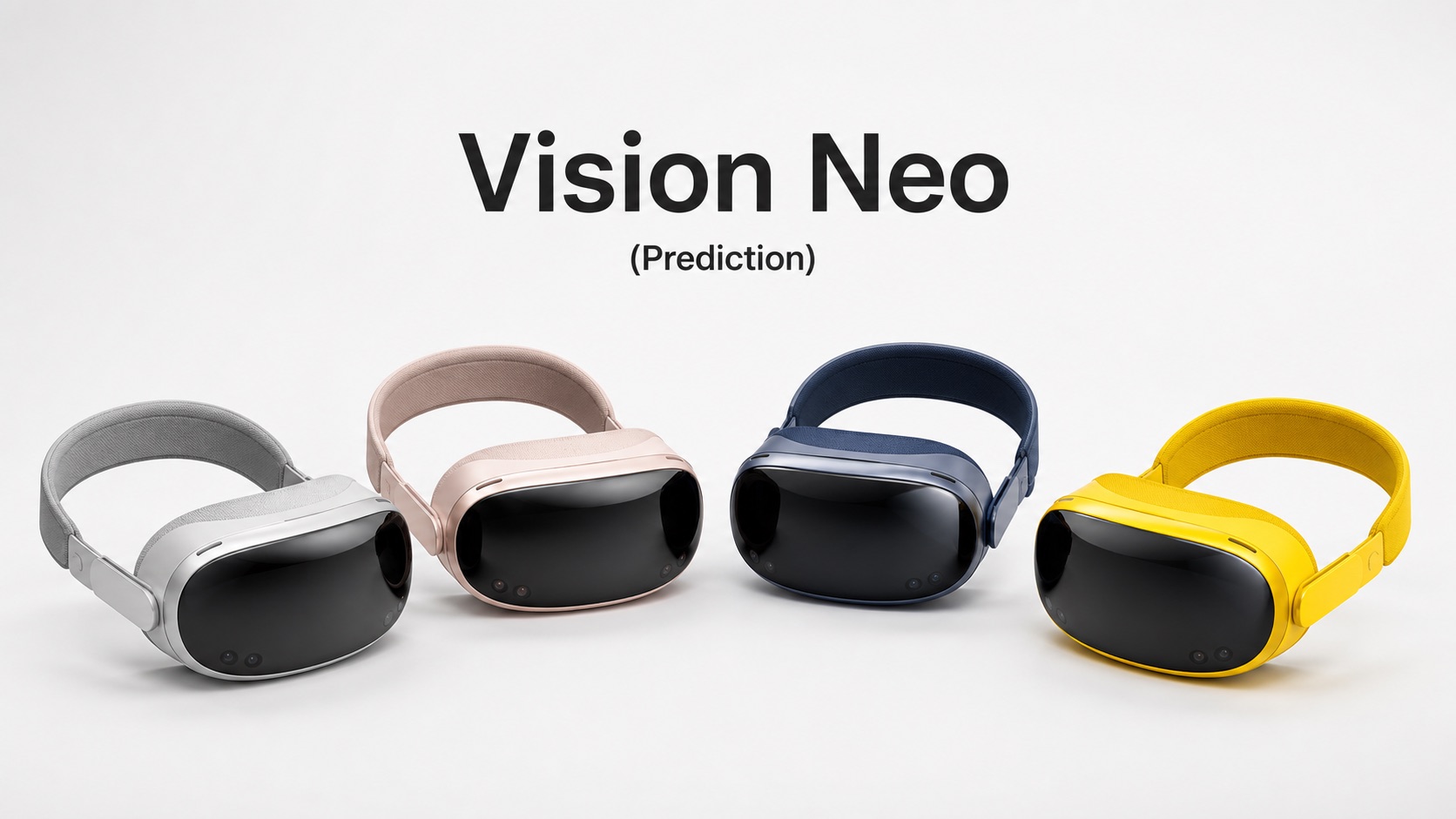
Let’s start with the important part: Apple has not announced Vision Neo. This is my prediction—part educated guess, part wish list, and part hope that more people will get to experience great virtual reality without spending several thousand dollars.
I already shared my prediction for a lighter Vision Air. Now I want to go one step further. What if Apple borrowed the idea behind the affordable, colorful MacBook Neo and used it for a headset?
My imaginary Vision Neo would not be the most powerful spatial computer. It would not have every advanced feature from Vision Pro. It would be simpler, lighter, more colorful, and much less expensive.
Most importantly, it would give students and families a realistic way to experience immersive movies, virtual field trips, creative apps, and 3D learning.
My Vision Neo Prediction at a Glance
- $699 regular starting price
- $599 education price
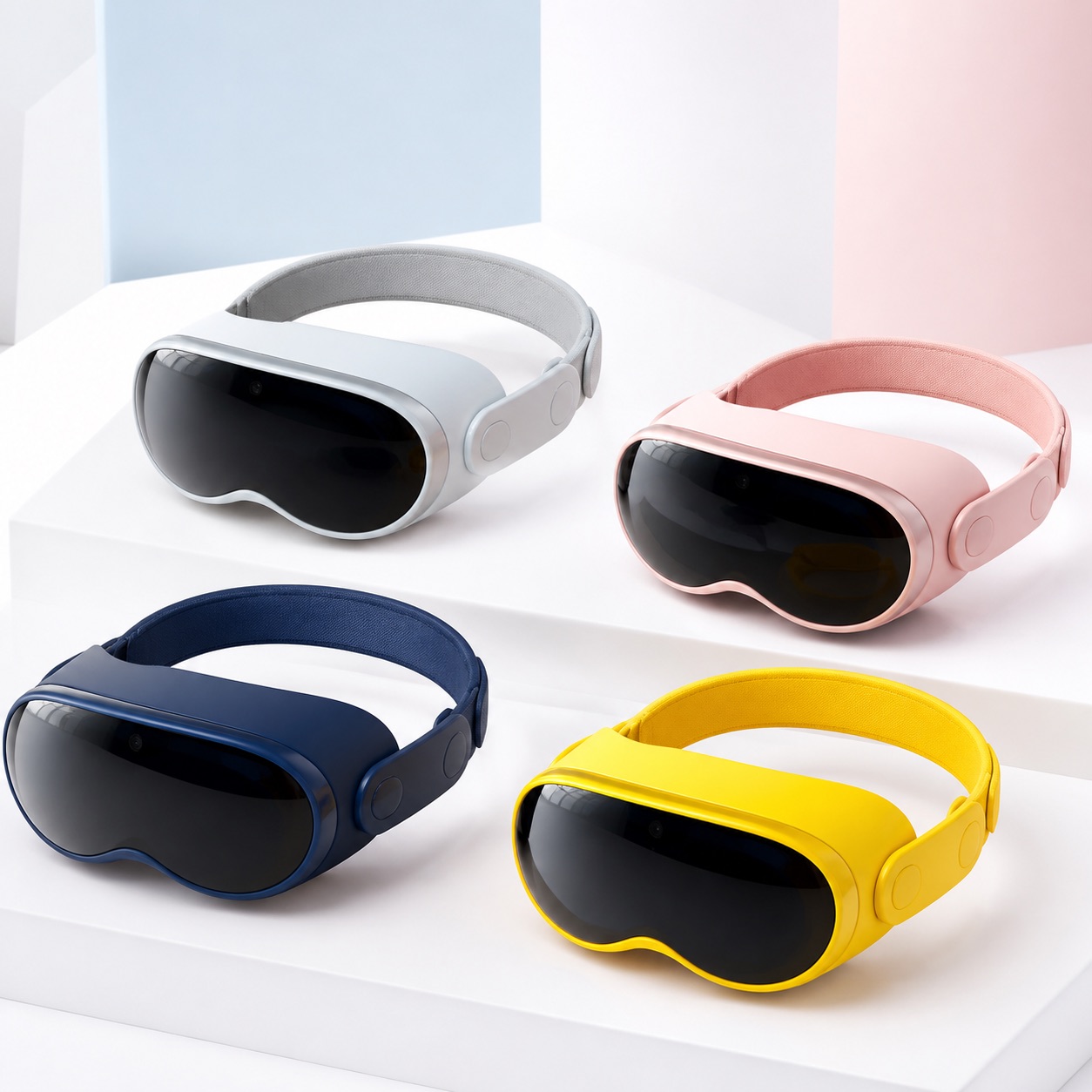
- Four colors: silver, blush, indigo, and true yellow
- A lighter design with simpler hardware
- Excellent movies, learning experiences, games, and video calls
- Less computing power and fewer professional features than Vision Pro
The Name: Vision Neo
“Neo” would tell customers exactly what this product is supposed to be: a new, simpler entry point.
The MacBook Neo proved that a lower-priced product does not have to feel boring. It can still look modern, come in fun colors, and do the everyday jobs that matter most. I think that same idea could work even better for a headset.
Vision Pro is designed to be a powerful spatial computer. Vision Neo would be designed to make spatial experiences available to more people.
Four Colors—and Yes, One Should Be Real Yellow
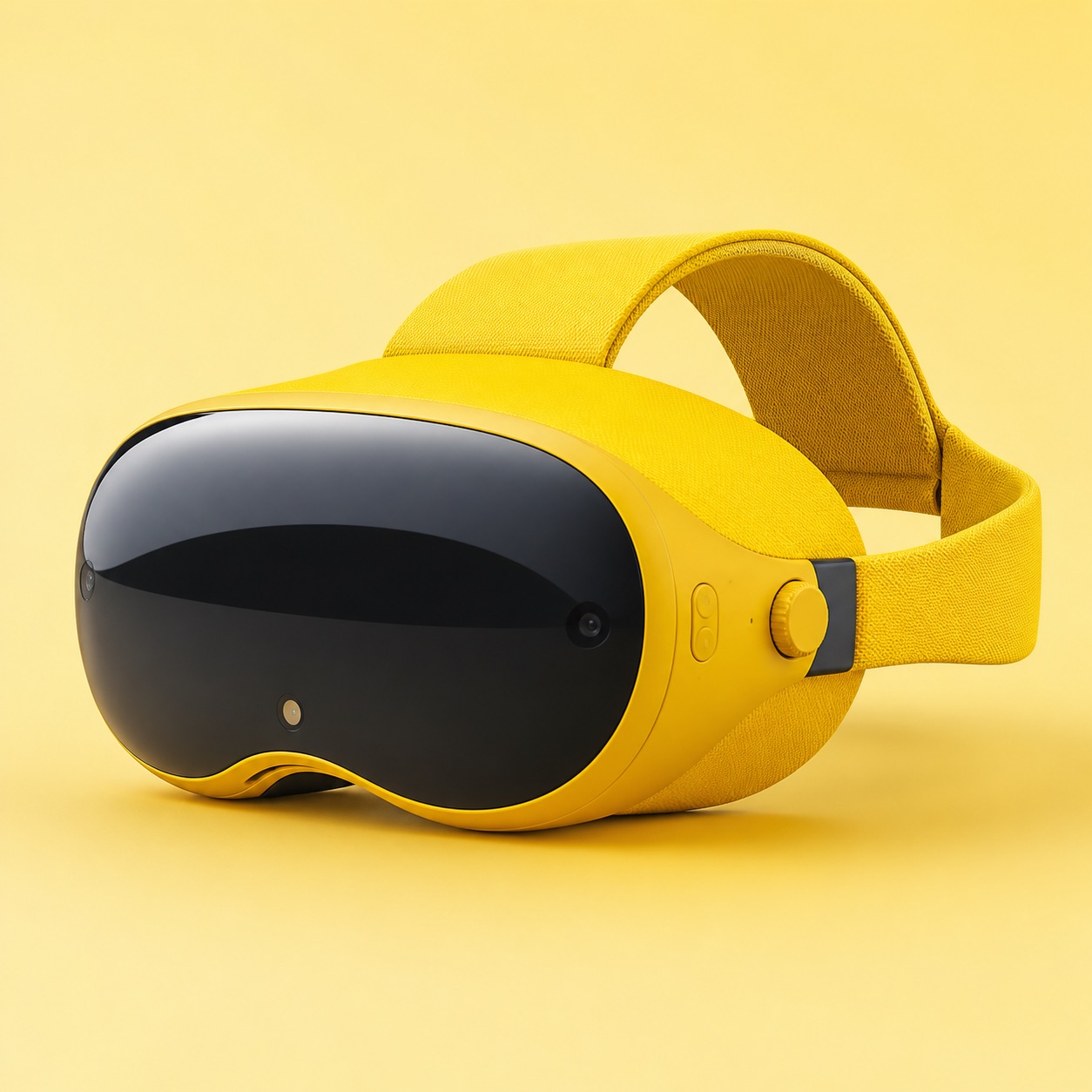
I predict four colors: silver, blush, indigo, and sunbeam yellow.
The first three would feel familiar next to the MacBook Neo. But I would change citrus to a true yellow. Not yellow-green. Not pale beige with a fancy name. I mean a bright, happy, unmistakable yellow.
Yellow is my favorite color, so this prediction may be a little selfish. Still, color would be important for this product. A less expensive headset aimed at students should feel friendly and personal, not like serious medical equipment.
The color could appear around the visor, on the soft headband, and on the outside battery pack if Apple still used one. Schools could also use different colors to organize classroom sets.
The Price: $699, or $599 for Education
My predicted price is $699 for most customers and $599 with education pricing.
That is still a lot of money for a student. But it is close enough to the price of a laptop, tablet, phone, or game system that families and schools could at least consider it.
Apple’s Vision Pro started at $3,499. At that price, most people can only try one in a store or watch someone else use it online. A $699 Vision Neo would be a completely different kind of product.
Apple would need to remove expensive parts to reach that price. The goal would not be to make a cheap Vision Pro. The goal would be to create a focused headset that does fewer things very well.
What Would Apple Remove?
This is where my prediction becomes less glamorous. A Vision Neo could not include everything.
It might use a mobile-class chip instead of a high-end Mac chip. It could have less memory, less storage, simpler cameras, and lower-resolution displays. The outside screen that shows the wearer’s eyes might disappear completely.
Vision Neo might also need help from an iPhone, iPad, or Mac for demanding jobs. The headset could handle movies, basic apps, and movement tracking by itself, while a nearby device provides extra power when needed.
Some professional tools would probably be missing. Video editors, 3D designers, and developers might still need Vision Pro or another powerful computer.
What Vision Neo might give up
- The highest display resolution
- Advanced professional apps
- The outside eye display
- Extra cameras and sensors
- Heavy computing without help from another device
That sounds like a long list, but it would not ruin the experience. Most buyers would care more about comfort, clear video, reliable tracking, and a price they can manage.
What Would Still Be Pretty Freaking Awesome?
Even with fewer features, Vision Neo could still be pretty—actually, pretty freaking—awesome.
You could watch a movie on a screen that feels larger than your wall. You could sit on the surface of the moon during a science lesson. You could explore a museum on the other side of the world or practice speaking another language in a virtual café.
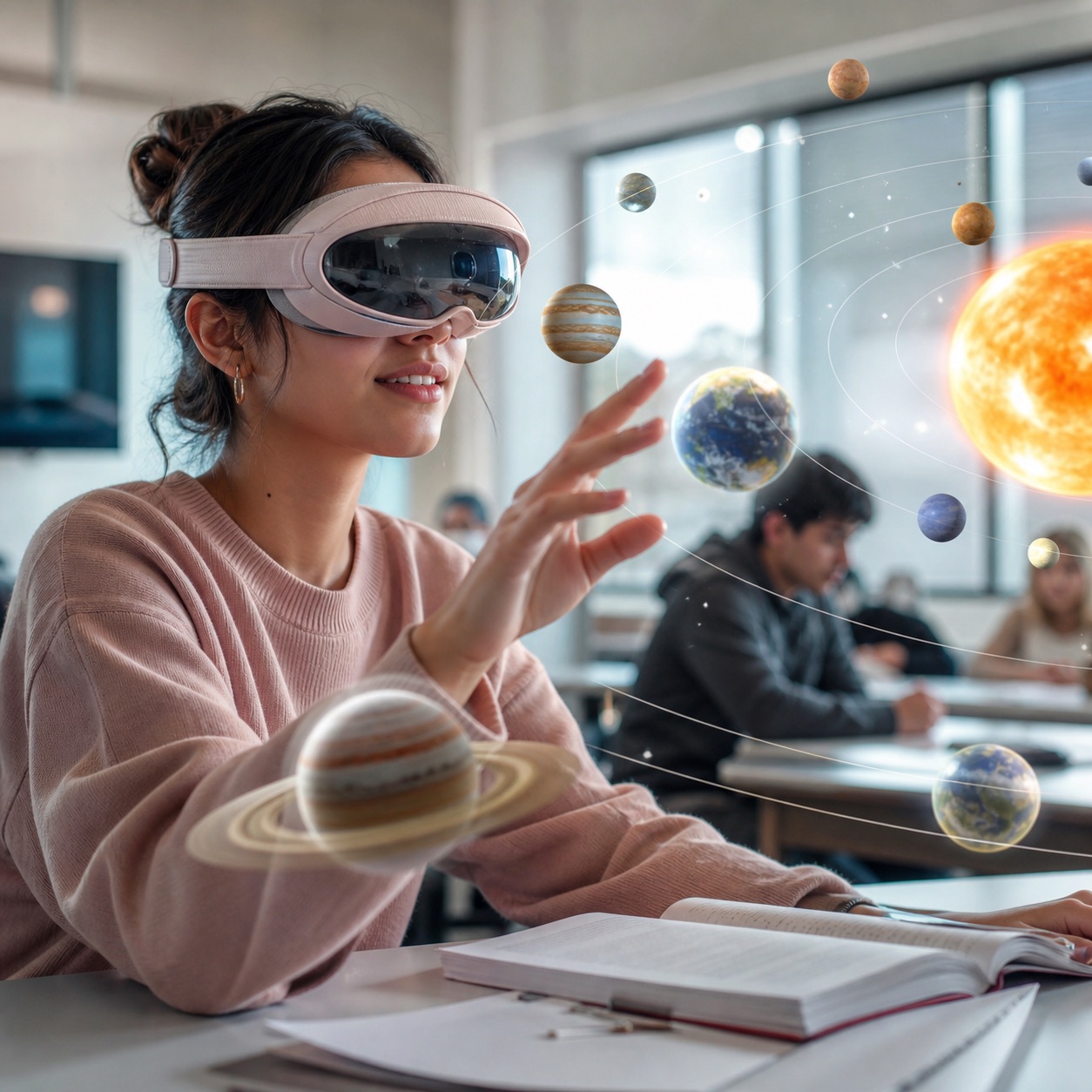
Students could examine a human heart in 3D, walk through an ancient city, or see how planets move around the sun. Art students could create in a room-sized canvas. A history class could visit a carefully recreated place instead of only reading about it.
It could also be a fun social device. Friends might play simple games, watch concerts, or meet in shared spaces. Families could use it for travel videos, panoramic photos, and immersive home movies.
Education Would Be the Main Story
If Apple made Vision Neo, I think education would be the best reason for it to exist.
Schools would not need the most advanced headset ever made. They would need one that is comfortable, easy to clean, simple to manage, and affordable enough to buy in groups.
Teachers would also need good content. A headset is not useful just because it looks futuristic. Apple would need to work with schools, museums, universities, and educational publishers to create lessons that are accurate and easy to use.
A $599 education price would not put a headset on every student’s desk right away. It could, however, make classroom sets possible. Ten students could take turns exploring the same lesson instead of a school buying one extremely expensive device that stays locked in a cabinet.
A Great Personal Movie Theater
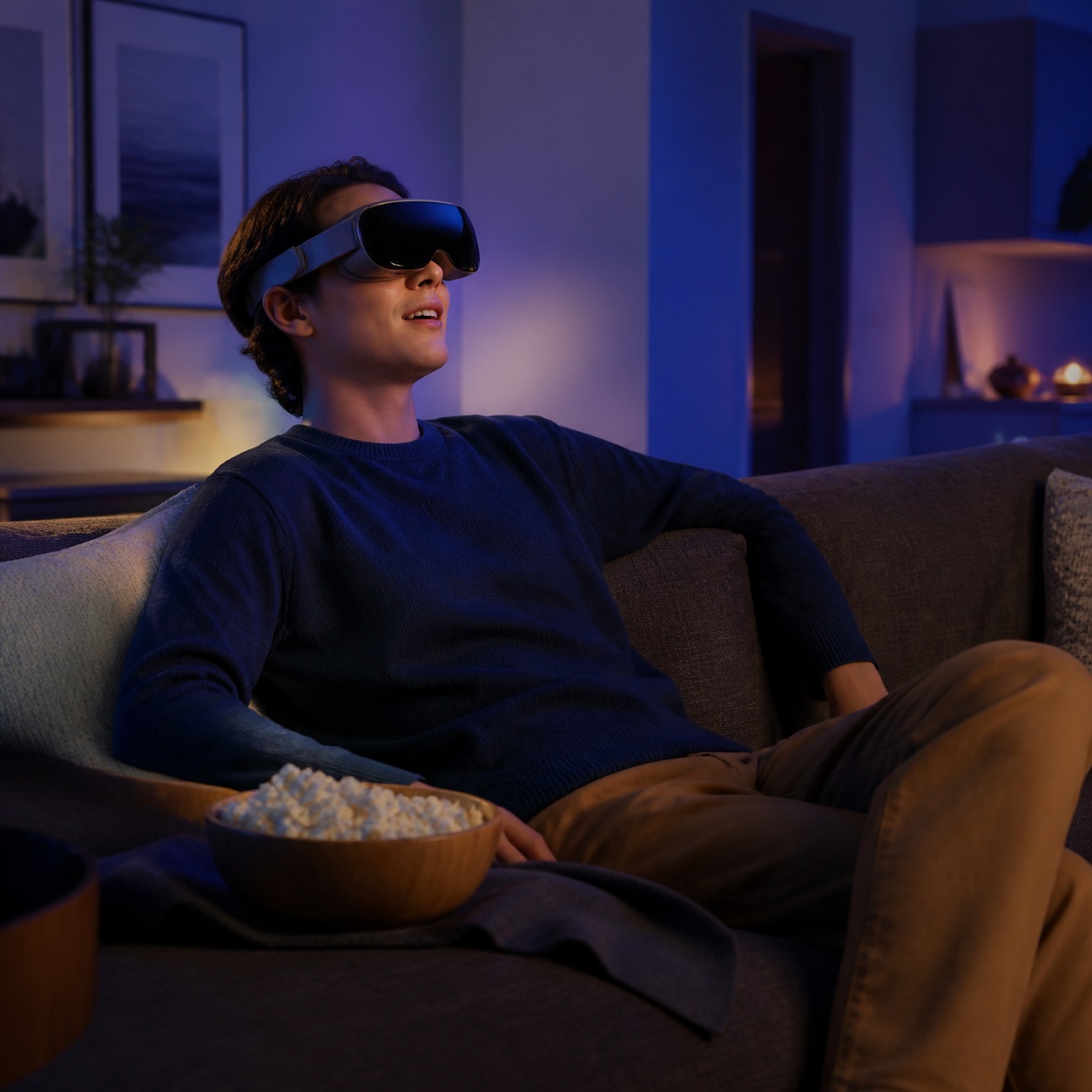
Education may be the serious reason to buy Vision Neo, but movies would be the fun reason.
A less powerful headset can still play beautiful video. It does not need to edit a Hollywood movie in order to show one. If Apple focused on good displays, comfortable audio, and a lighter fit, Vision Neo could become an excellent personal theater.
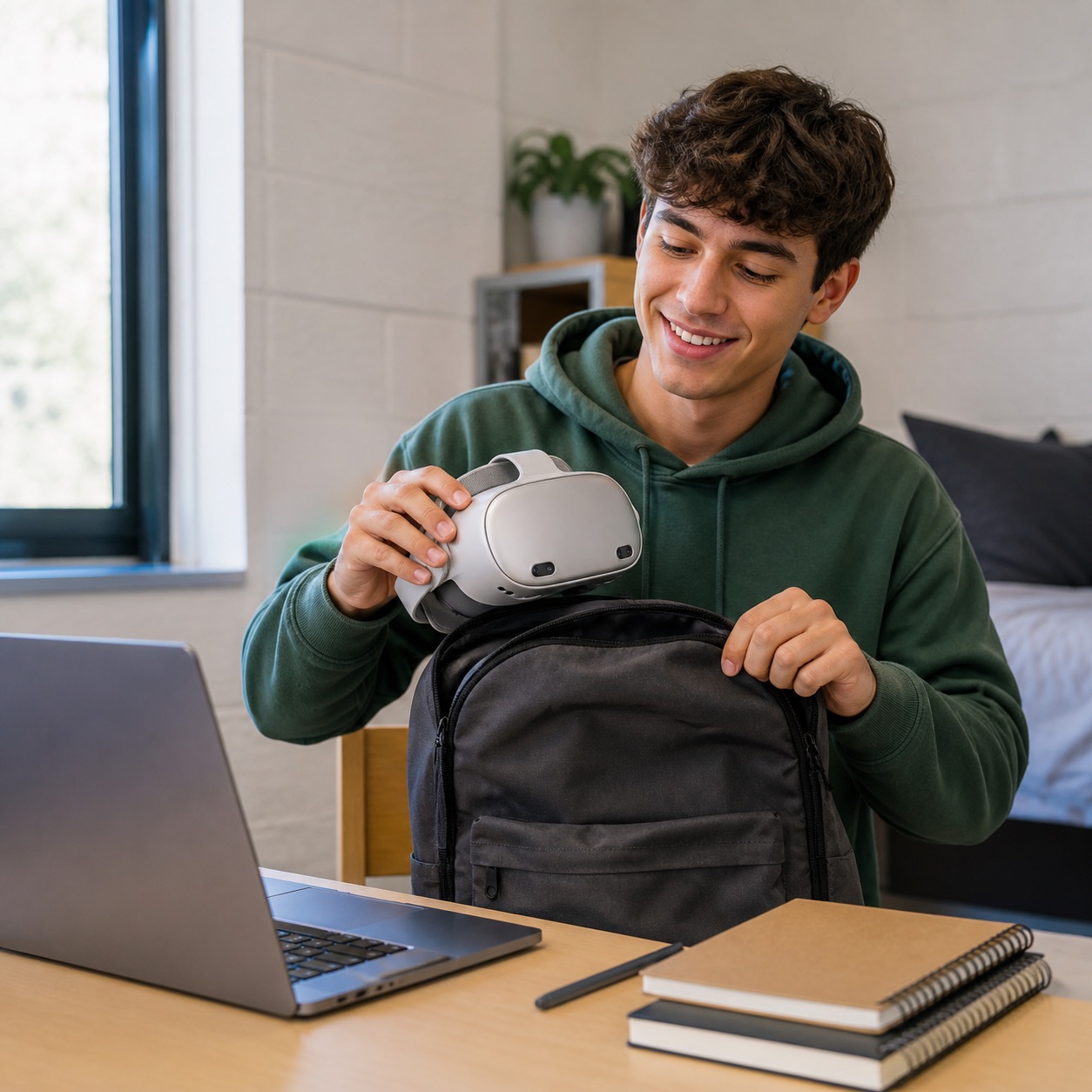
That could appeal to students in dorm rooms, travelers in hotels, or anyone who does not have space for a giant television. You could watch on what feels like a 100-foot screen, then place the headset back in a drawer.
The Biggest Challenge Would Be Comfort
Price is only one problem. A headset also has to feel good enough that people want to keep wearing it.
I predict Vision Neo would use more plastic and fabric instead of heavy glass and metal. That may sound less premium, but lighter materials could make it more enjoyable.
The design should work with glasses, fit different head sizes, and be easy to adjust. Schools would need replaceable face cushions that can be cleaned between users. Apple might even offer child-size bands for supervised educational use.
If Vision Neo were light, comfortable, and easy to carry, people might forgive the missing professional features.
My final prediction
Vision Neo arrives in four colors for $699, with a $599 education price. It is less powerful than Vision Pro, but lighter, friendlier, and focused on the experiences most people actually want.
Would Vision Neo Hurt Vision Pro?
Maybe—but that could be a good thing.
Vision Pro could remain the advanced model for professionals and early adopters. Vision Neo could become the model for students, families, entertainment, and first-time headset buyers.
Apple already sells different levels of phones, tablets, watches, and computers. A Vision family with clear choices would make more sense than one headset that tries to be everything for everyone.
Frequently Asked Questions
Has Apple announced Vision Neo?
No. Vision Neo is my fictional prediction. Apple has not announced this name, price, design, or product.
Is Vision Neo a real rumor?
There have been reports and guesses about less expensive Apple headsets, but this exact Vision Neo idea is my own prediction. The four colors, true-yellow model, and prices are part of my concept.
How much would Vision Neo cost?
I predict $699 for regular customers and $599 through Apple’s education store.
Would it replace Vision Pro?
No. I imagine Vision Pro staying as the powerful model while Vision Neo becomes the simpler and more affordable choice.
What would Vision Neo be best for?
I think it would be best for immersive learning, movies, lighter games, video calls, virtual travel, and first-time VR users.
At the End of the Day, Access Matters
The most exciting technology is not always the technology with the longest feature list. Sometimes the best product is the one more people can actually use.
Vision Neo would not need to replace a Mac, power a professional studio, or change the world on its first day. It would only need to give students and families a comfortable, affordable doorway into spatial computing.
If Apple could do that for $699—or $599 for education—I think it would be one of the company’s most interesting products in years.
Need help choosing or setting up new technology? We share ideas and guides to make technology easier. But if comparing devices, moving your information, or getting everything connected feels like more than you want to handle, that is exactly why Help With My Tech exists. Contact Help With My Tech, and we’ll help you get comfortable with your technology.